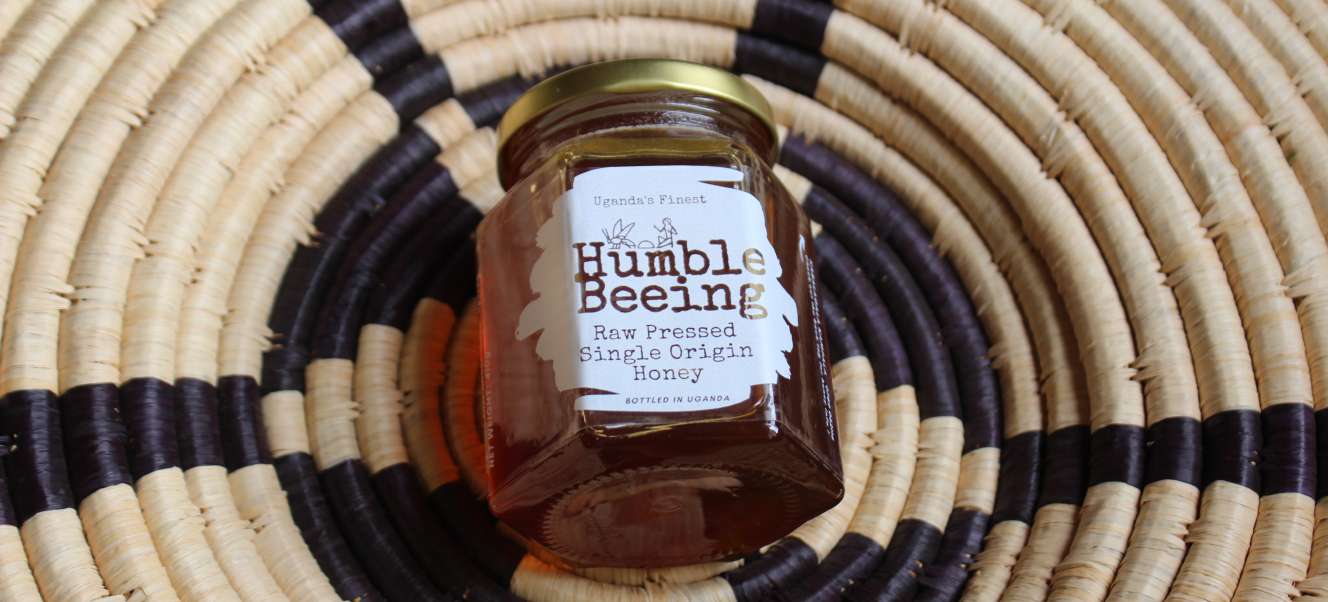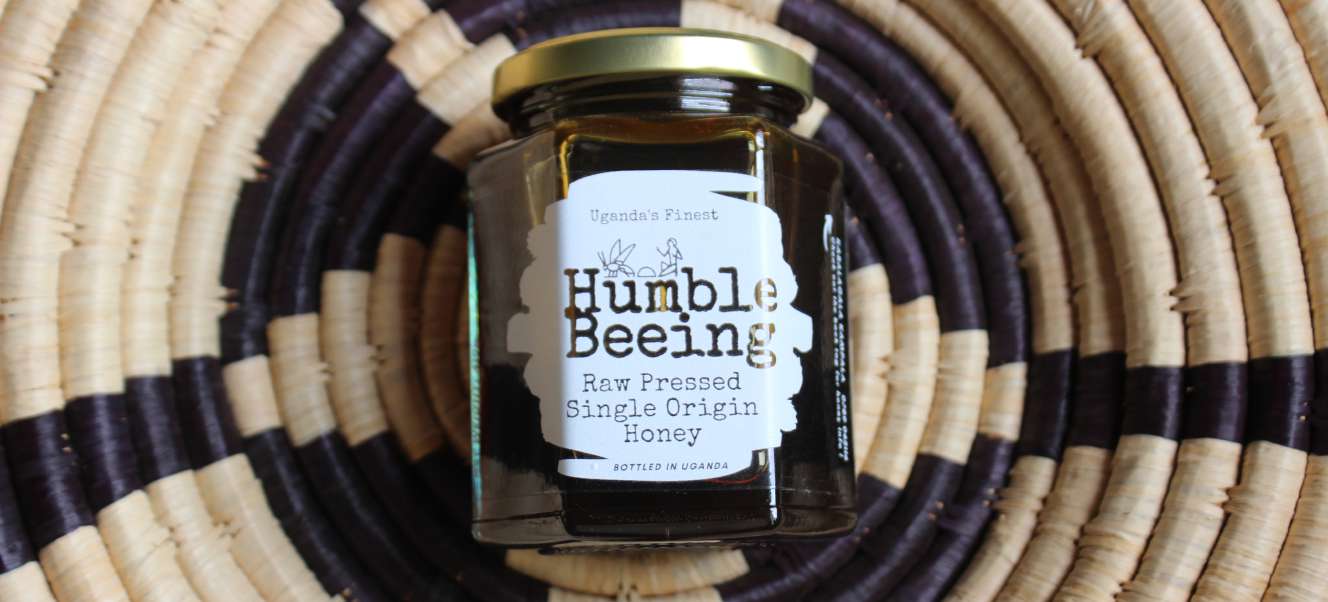
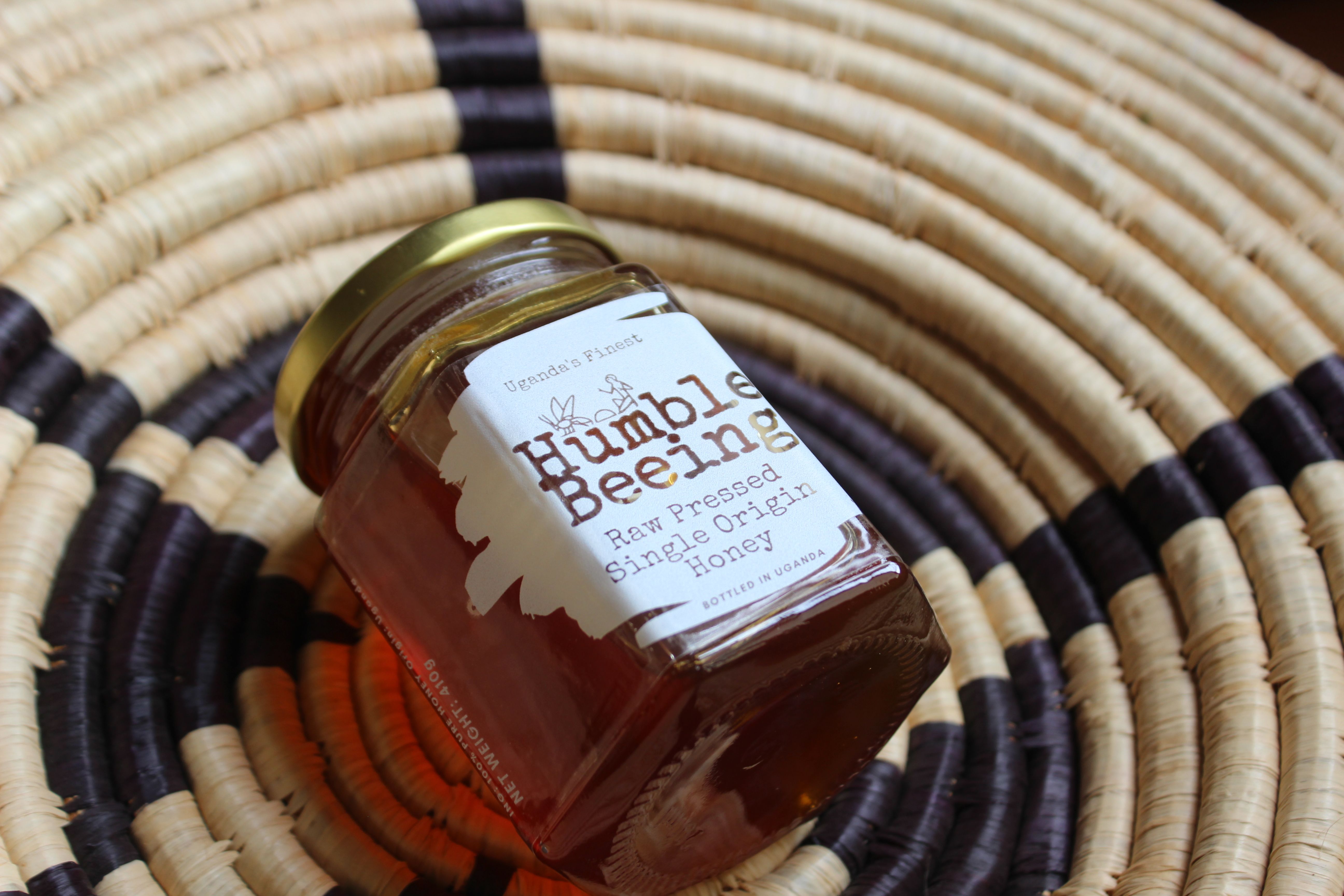
Arua Calliandra Blossom Honey
Delicate and floral: a light, elegant honey from calliandra blossom in Arua.
About this honey
Calliandra is a flowering shrub planted across Arua as fodder and for soil restoration, and its feathery red blossoms happen to produce a remarkably elegant honey. Light, silky, and delicately floral, this is the most refined honey in our range.
It is also a quiet sustainability story: calliandra fixes nitrogen in the soil and gives farmers year-round forage for their bees, so every jar supports regenerative farming in West Nile.
Arua District, West Nile
Calliandra blossom (Calliandra calothyrsus)
Harvested at calliandra bloom
Harvest-numbered: traceable to the farmer
How it’s made
Grade A honeycomb
Only fully-capped comb is accepted from our registered Arua farmers.
Cold-pressed by hand
Pressed in small batches and never heated above 40°C, preserving live enzymes, flavonoids, and pollen.
Harvest-numbered
Each batch carries a unique Harvest Number, traceable back to the farmer and bloom it came from.
Try it with…
Green or herbal tea
Delicate enough not to overwhelm sencha, lemongrass, or chamomile.
Fresh fruit & soft cheese
Drizzle over ricotta, fresh figs, or pawpaw: it lifts rather than dominates.
Salad dressings
Whisk with lemon juice, olive oil, and mustard for a bright honey vinaigrette.
Porridge
A spoonful stirred into millet or oat porridge sweetens without heaviness.
Why it’s good for you
Gentle on the palate and stomach
A light honey traditionally taken with warm water as a morning digestive ritual.
Live enzymes intact
Cold-pressed and never heated above 40°C: all the natural goodness preserved.
Naturally antibacterial
Like all raw honey, it retains the antimicrobial properties that pasteurised honey loses.
Honey is a natural food, not a medicine: these notes reflect tradition and published research, not medical advice. Raw honey is not suitable for children under 12 months.
Frequently asked questions
Calliandra is a flowering shrub (Calliandra calothyrsus) widely planted in West Nile for animal fodder and soil restoration. Bees love its nectar-rich blossom, and the resulting single-origin honey is light, silky, and delicately floral.