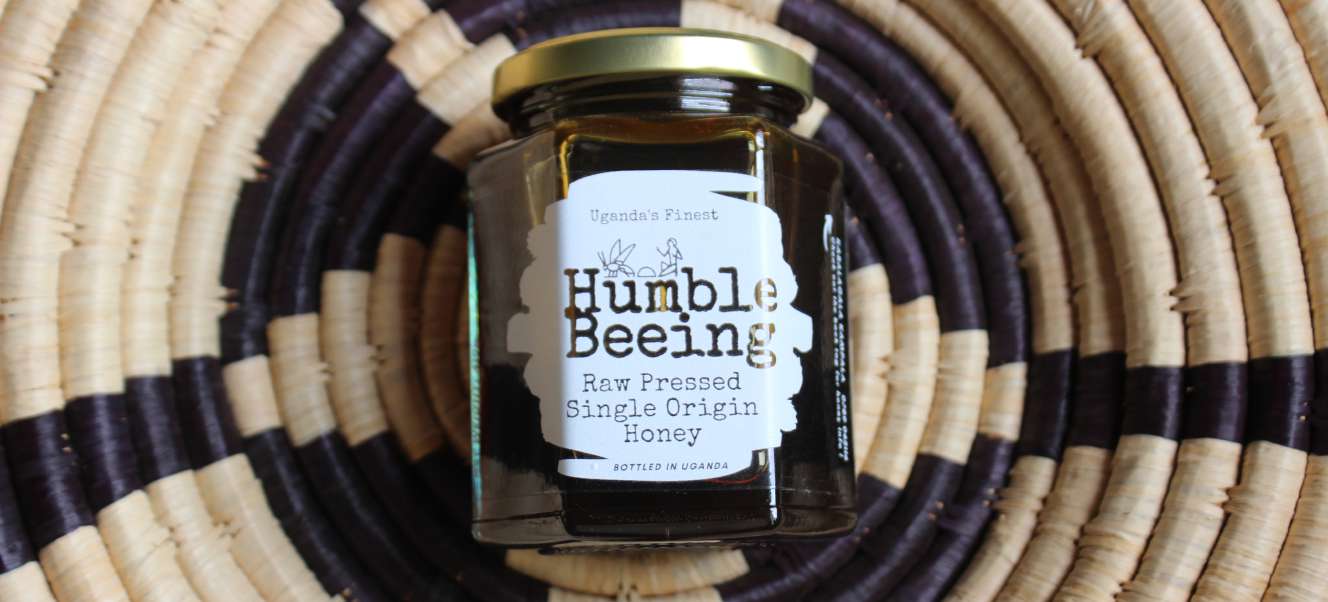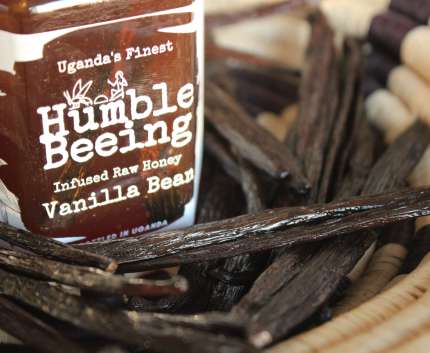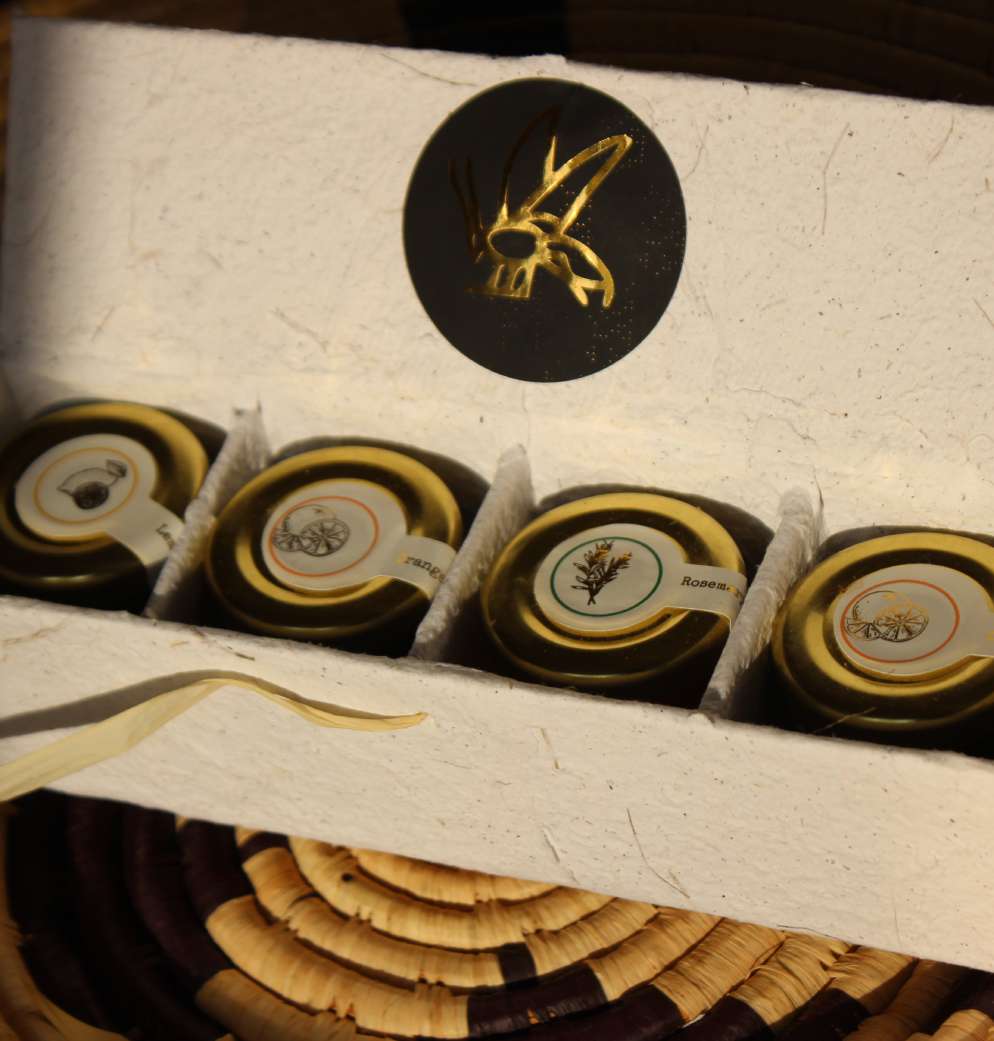
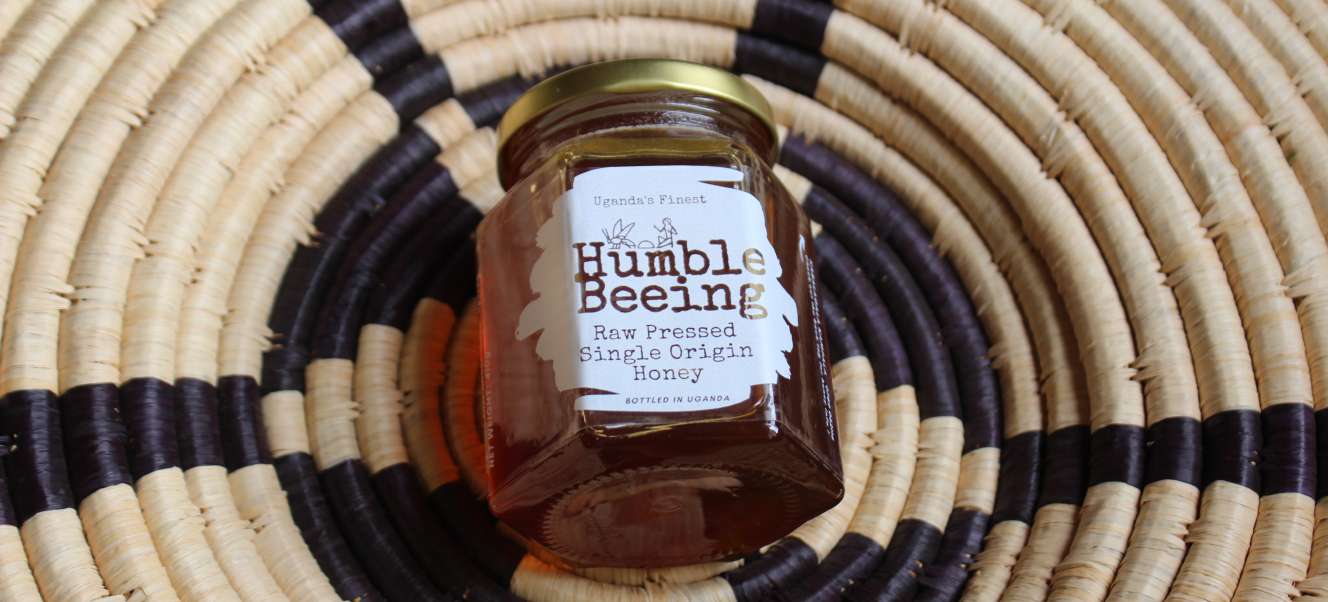
Yumbe Shea Blossom Honey
Golden, buttery honey from the shea tree belt of West Nile: our signature harvest.
About this honey
The shea belt of West Nile is one of the few places on earth where bees forage almost exclusively on shea blossom. The result is a golden, medium-bodied honey with a warm, buttery sweetness you will not find anywhere else: a true taste of Yumbe.
This is the honey Obaya’s family has harvested for three generations. We buy only Grade A, fully-capped honeycomb from registered smallholder farmers, paying 30% above market rates, so every jar supports the community that made it.
Yumbe District, West Nile
Shea tree blossom (Vitellaria nilotica)
Harvested at peak shea bloom, December–February
Harvest-numbered: traceable to the farmer
How it’s made
Grade A honeycomb
Only fully-capped comb is accepted: no brood, no pollen contamination, minimal smoke, no shortcuts.
Cold-pressed by hand
Pressed in small batches and never heated above 40°C, preserving live enzymes, flavonoids, and pollen.
Harvest-numbered
Each batch carries a unique Harvest Number, traceable back to the Yumbe farmer who harvested it.
Try it with…
Pour-over coffee
A teaspoon melts into black coffee without masking it: the caramel notes flatter Ugandan arabica beautifully.
Warm chapati or pancakes
Drizzle straight over warm chapati, pancakes, or crumpets and let it soak in.
Greek yoghurt & granola
Its buttery sweetness rounds out tart yoghurt: the simplest luxury breakfast.
Aged cheese
Serve alongside gouda or aged cheddar on a board; shea blossom holds its own against strong cheese.
Why it’s good for you
Live enzymes intact
Never heated above 40°C, so the natural enzymes and antioxidants raw honey is prized for are fully preserved.
Naturally antibacterial
Raw honey is traditionally used to soothe sore throats and coughs, and modern research supports its antimicrobial activity.
Natural energy
A gentler alternative to refined sugar: natural glucose and fructose with trace minerals and pollen.
Honey is a natural food, not a medicine: these notes reflect tradition and published research, not medical advice. Raw honey is not suitable for children under 12 months.
Frequently asked questions
It is single-origin honey made by bees foraging on the blossom of the shea tree (Vitellaria nilotica), which grows across the West Nile shea belt. It has a distinctive warm, buttery caramel flavour and a golden colour: one of Africa’s most distinctive monofloral honeys.