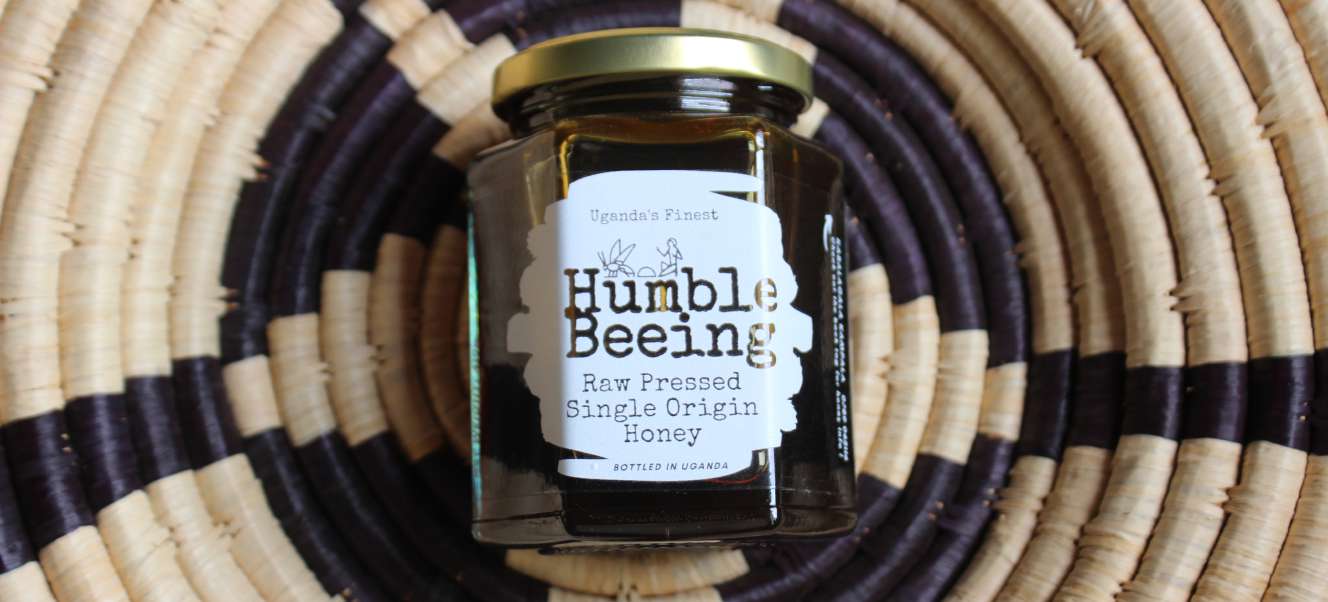
Nebbi Multifloral Honey
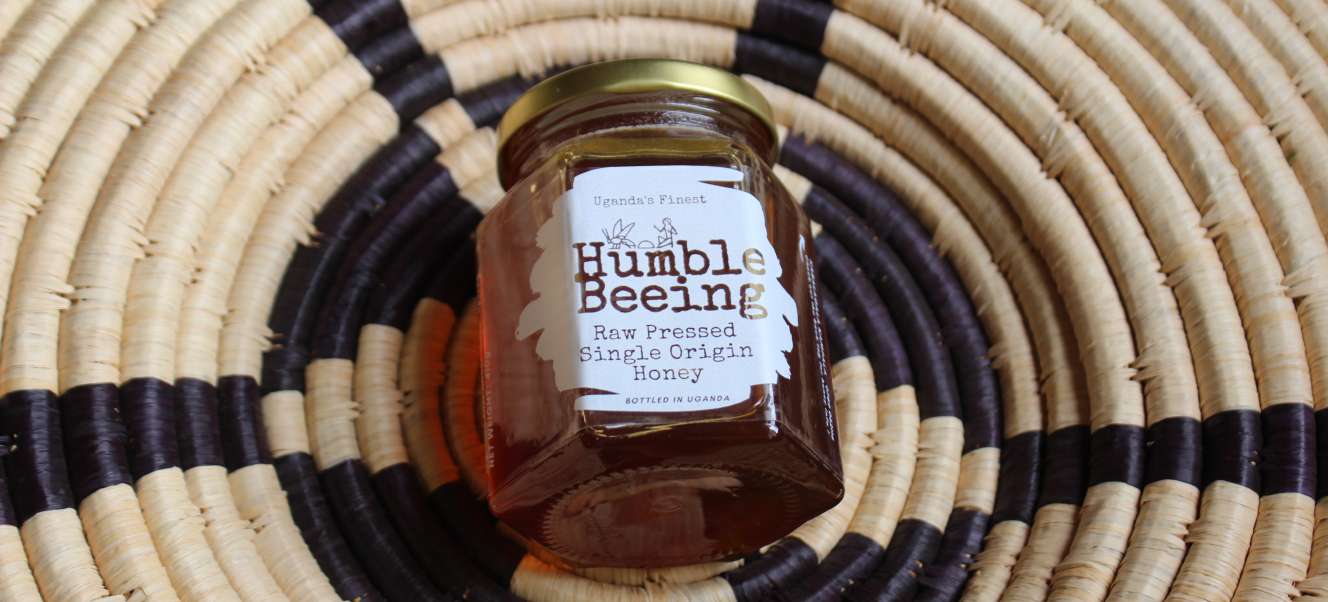
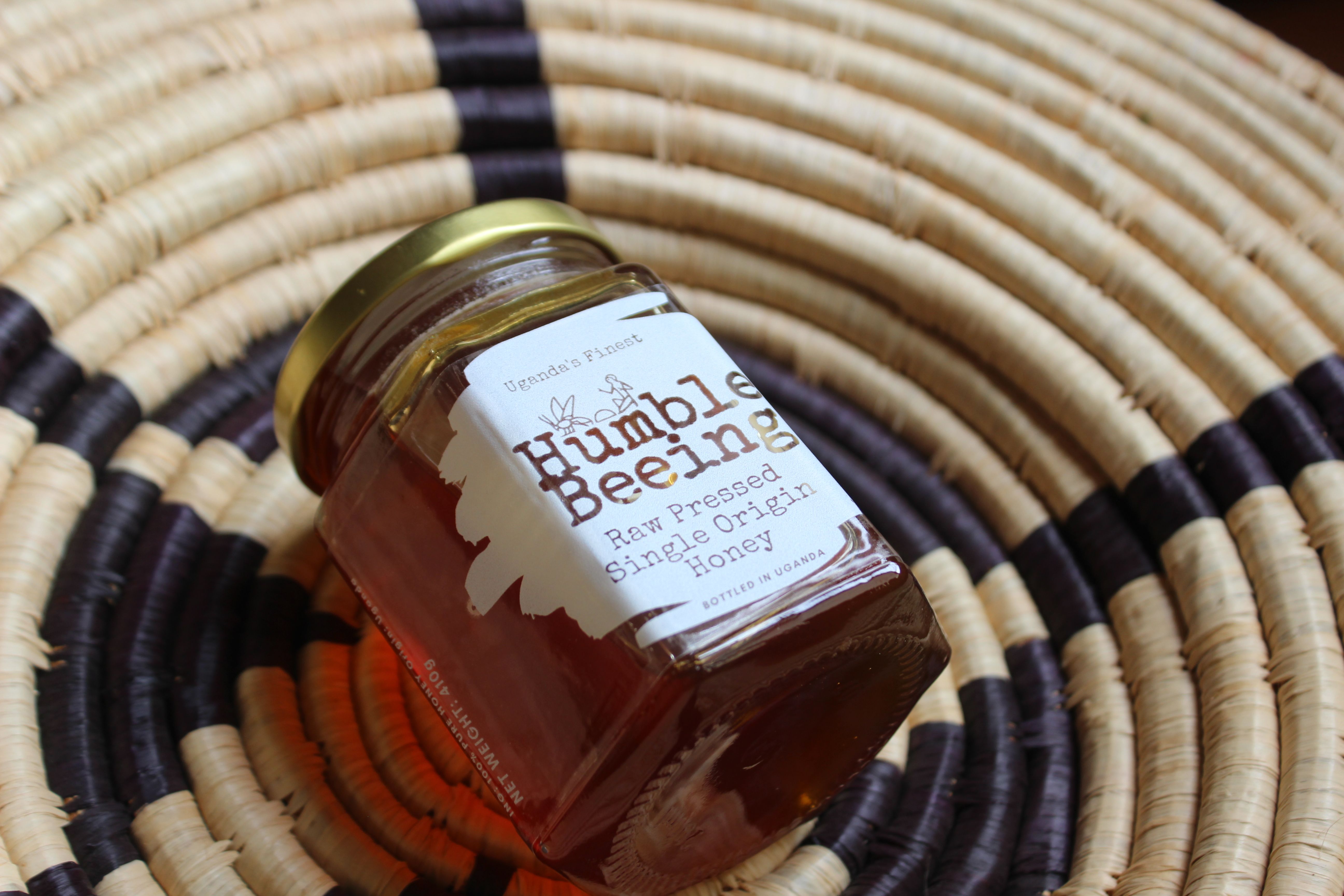
Deep, dark, and complex: wild forage honey from the hills of Nebbi.
About this honey
Where shea blossom honey is defined by a single flower, Nebbi multifloral is defined by a landscape. Bees range freely across the hills of Nebbi (acacia, savannah wildflowers, and flowering crops) and bring home a dark, complex honey that changes subtly with every season.
This is honey with backbone: deeper, less shy, and beloved by cooks. Because it is harvested and bottled by region and never blended, each batch is a snapshot of what was flowering in Nebbi that season.
Nebbi District, West Nile
Wild multifloral forage: acacia, wildflowers, and savannah blossom
Harvested across the long rains bloom
Harvest-numbered: traceable to the farmer
How it’s made
Grade A honeycomb
Only fully-capped comb is accepted from our registered Nebbi farmers: quality starts at harvest, not at the bottling line.
Cold-pressed by hand
Pressed in small batches and never heated above 40°C, preserving live enzymes, flavonoids, and pollen.
Harvest-numbered
Each batch carries a unique Harvest Number, traceable back to the farmer and season it came from.
Try it with…
Marinades & glazes
Its molasses depth stands up to soy, ginger, and chilli: brush over chicken or pork in the last minutes of roasting.
Strong black tea
A honey that will not disappear into your mug: perfect for spiced tea and chai.
Sourdough & butter
Thick-cut toast, salted butter, and a generous drizzle. That is the whole recipe.
Baking
Substitute for sugar in banana bread or gingerbread for a darker, richer crumb.
Why it’s good for you
Pollen diversity
Multifloral forage means a wider spectrum of pollens and plant compounds in every jar.
Rich in antioxidants
Darker honeys are generally higher in polyphenols and antioxidant activity than lighter ones.
Live enzymes intact
Cold-pressed and never heated above 40°C, so nothing the bees put in is taken out.
Honey is a natural food, not a medicine: these notes reflect tradition and published research, not medical advice. Raw honey is not suitable for children under 12 months.
Frequently asked questions
Colour in honey comes from the flowers the bees foraged. Nebbi’s mixed savannah forage produces a darker, more mineral-rich honey than the pale gold of pure shea blossom. Darker honeys also tend to carry more antioxidants.